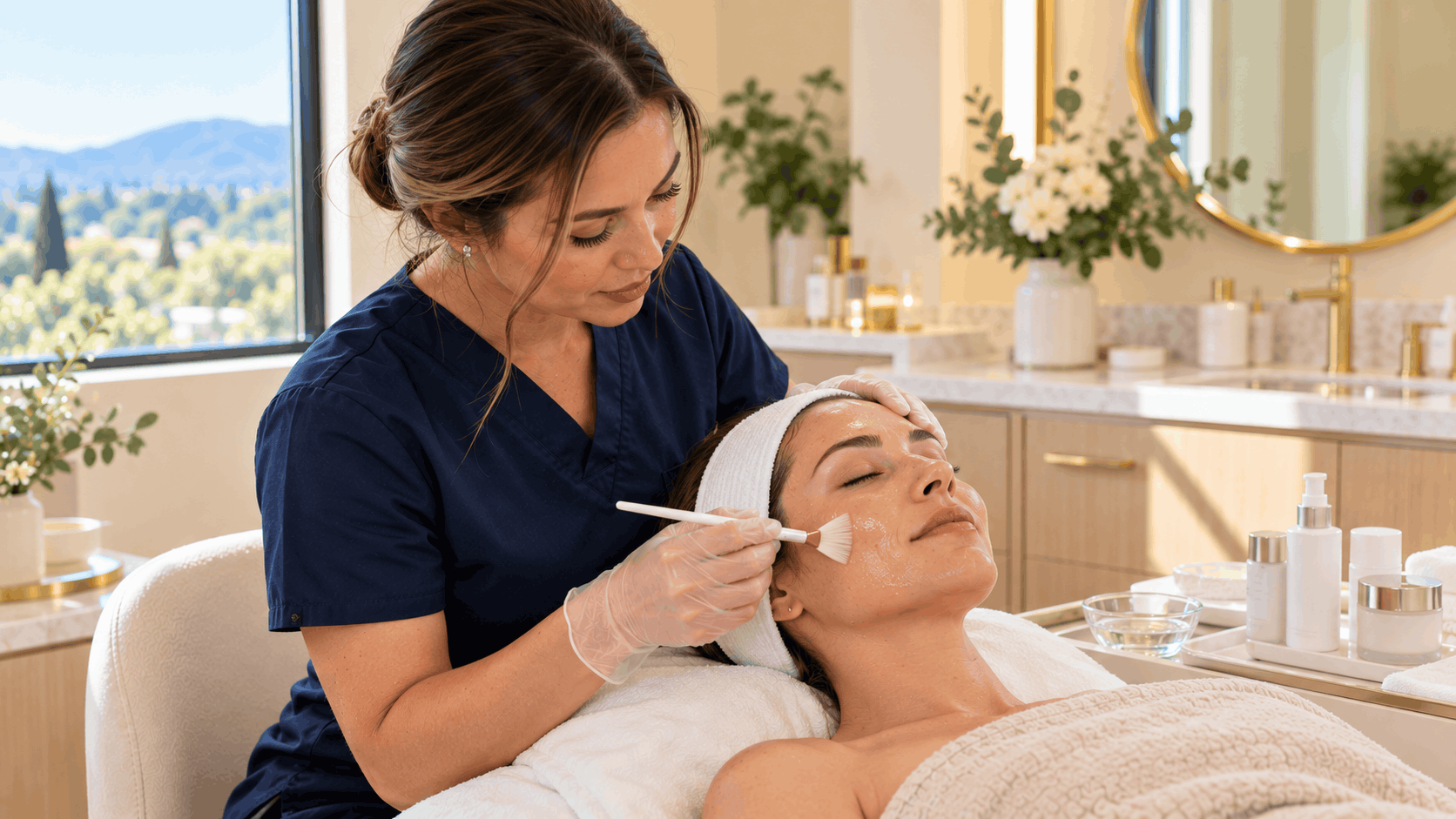
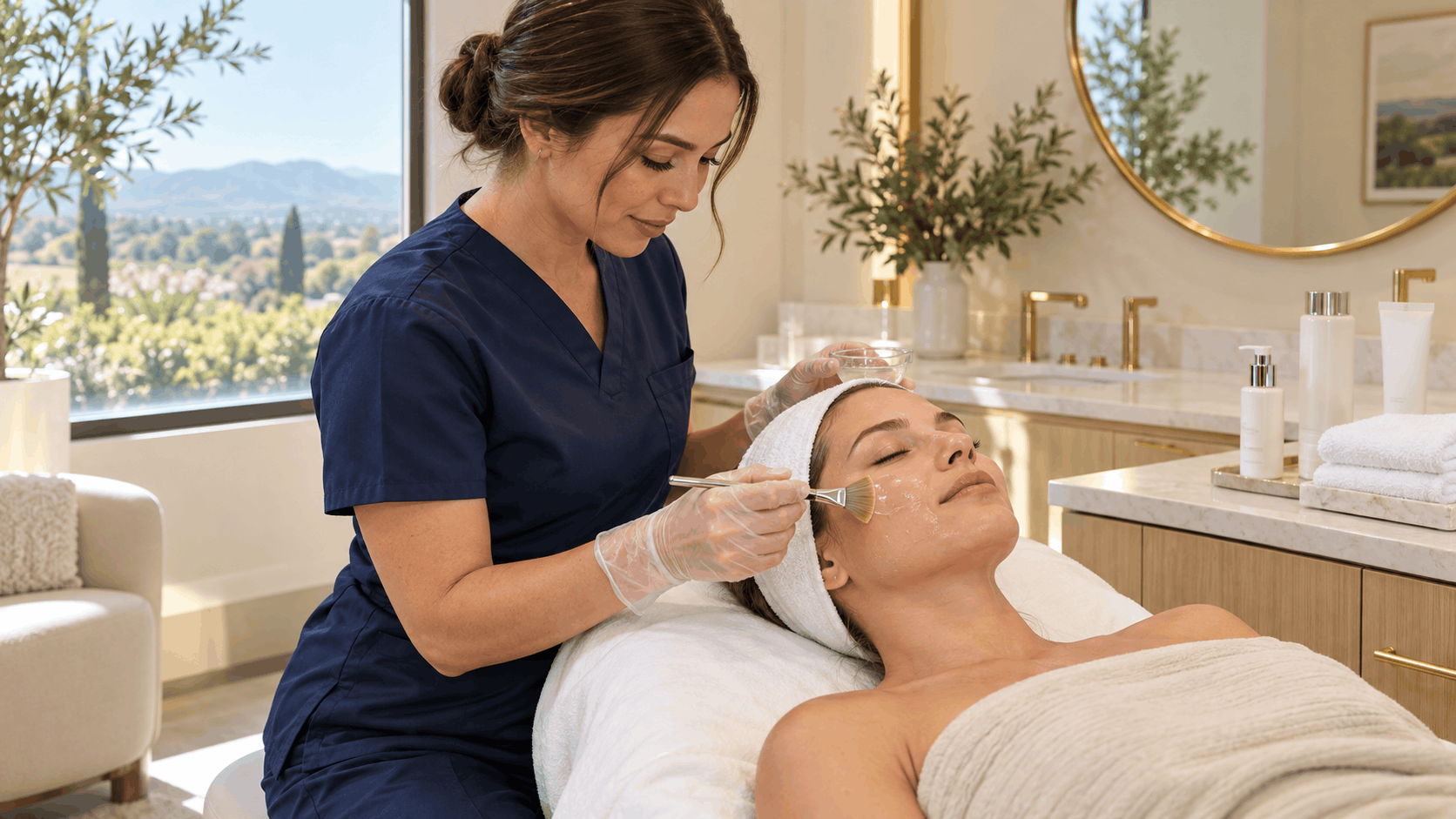
A smoother, brighter complexion does not happen by accident. It starts with understanding how professional skin treatments work and choosing an approach that addresses your skin’s needs. If you have been researching the steps in ZO Signature Pool, you are likely looking for a clear explanation of the ZO 3-Step Peel, what each stage involves, and how the treatment supports skin renewal.
Despite the wording of this commonly searched phrase, the treatment is known as the ZO 3-Step Peel. As its name suggests, the procedure involves three main stages designed to exfoliate the skin, support renewal, and provide post-treatment care.
At Advanced Life Clinic, our approach to aesthetic treatments focuses on individualized care and realistic expectations. Understanding the treatment process can help you feel more confident about what happens during your appointment and what your skin may experience afterward.
Whether your concerns involve uneven tone, rough texture, visible signs of aging, or dullness, learning how the three stages work together is an important first step.
Jump To:
- TLDR Guide
- Detailed Breakdown
- What Is the ZO Signature Peel?
- Step 1: Professional Exfoliation and Skin Resurfacing
- Step 2: Retinol Application to Support Skin Renewal
- Step 3: Calming, Hydration, and Skin Protection
- What Happens After the Three Steps Are Complete?
- What Skin Concerns Can the ZO 3-Step Peel Address?
- Is One ZO 3-Step Peel Enough?
- How Can You Prepare for Your ZO 3-Step Peel?
- Why Professional Assessment Matters
- Key Takeaways
- FAQs
TLDR Guide
The steps in ZO Signature Pool refer to the three-stage ZO 3-Step Peel treatment, which combines professional exfoliation, a retinol-based application, and protective post-treatment care. Each stage has a specific purpose, and the overall treatment is intended to encourage skin renewal while addressing selected cosmetic concerns.
Here is a quick overview of what happens:
- Step 1: Exfoliation. A professional peeling solution is applied to exfoliate the skin and begin the resurfacing process.
- Step 2: Retinol application. A retinol-based product is applied to support the skin renewal process.
- Step 3: Calming and protection. A soothing protective product helps support the skin after the active treatment stages.
The in-office procedure is only part of the experience. Your skin may continue peeling and renewing over the following days, making appropriate aftercare essential.
The bottom line: The ZO 3-Step Peel is a structured professional treatment, not three unrelated facial products. Each stage contributes to the overall resurfacing process, and results depend on your skin condition, treatment suitability, and recovery.
Detailed Breakdown
What Is the ZO Signature Peel?
The ZO Signature Peel is commonly used as a reference to the ZO 3-Step Peel, a professional chemical peeling treatment designed to improve the appearance of skin texture, tone, and certain visible signs of aging.
Unlike a basic facial that primarily cleanses and hydrates the skin, this treatment uses a sequence of active products to promote exfoliation and skin renewal. Its three-stage approach combines resurfacing with post-treatment support.
Professional chemical peels work by applying exfoliating ingredients that encourage the removal of damaged or aged surface skin cells. The depth and intensity of exfoliation vary according to the formulation, application technique, and individual skin characteristics.
The ZO treatment requires appropriate professional assessment because it can produce visible peeling, sensitivity, redness, and temporary changes in the skin’s appearance.
Step 1: Professional Exfoliation and Skin Resurfacing
The first stage of the steps in ZO Signature Pool focuses on exfoliation. This is where the active resurfacing process begins.
During the procedure, the provider prepares the treatment area and applies the professional peeling solution according to the appropriate protocol. The ZO 3-Step Peel uses a combination of exfoliating acids, including trichloroacetic acid (TCA), salicylic acid, and lactic acid.
These ingredients serve different purposes within the formulation:
- Trichloroacetic acid (TCA) promotes controlled chemical exfoliation and skin resurfacing.
- Salicylic acid helps exfoliate and is particularly useful in formulations intended to address clogged pores and uneven texture.
- Lactic acid contributes to exfoliation and can help improve the appearance of rough or dull skin.
The combination encourages the shedding of skin cells and initiates a renewal process that continues after the appointment.
What Does Step 1 Feel Like?
Patients may experience tingling, warmth, stinging, or a burning sensation while the peeling solution is applied. The intensity varies depending on skin sensitivity and the treatment protocol.
Your provider monitors your skin’s response throughout the application. Significant or unexpected discomfort should always be communicated immediately.
This stage is especially relevant for patients interested in addressing refined texture and even tone, since controlled exfoliation can help improve the appearance of roughness, uneven pigmentation, and dullness over time.
However, the treatment is not suitable for everyone. Skin conditions, recent procedures, medications, and individual sensitivity must be considered before proceeding.
Step 2: Retinol Application to Support Skin Renewal
The second stage of the steps in ZO Signature Pool involves applying a retinol-based product after the professional peeling solution.
Retinol is a vitamin A derivative widely used in skincare to support the skin’s natural renewal process. Within the ZO 3-Step Peel protocol, this stage complements the initial exfoliation by encouraging continued skin turnover.
While Step 1 initiates chemical resurfacing, Step 2 supports the ongoing process of replacing older surface cells.
Why Is Retinol Included?
Retinol is included because of its role in improving the appearance of skin affected by uneven texture, fine lines, and certain pigmentation concerns.
Its potential benefits include:
- Supporting normal skin cell renewal.
- Improving the appearance of uneven skin texture over time.
- Helping reduce the visible appearance of certain fine lines.
- Complementing the resurfacing effects of the initial peel.
Retinol can also increase irritation, dryness, and peeling, particularly when combined with exfoliating acids. This is one reason professional supervision and careful aftercare are important.
Our science of cell turnover and peels article explores how the skin renewal cycle relates to professional exfoliation and skincare treatments.
Understanding this process helps explain why improvements are not necessarily immediate. Visible changes often develop as the skin progresses through its recovery and renewal period.
Step 3: Calming, Hydration, and Skin Protection
The third and final in-office stage of the steps in ZO Signature Pool focuses on supporting the skin after the active exfoliating products have been applied.
A calming, protective product is used as part of the treatment protocol. Its purpose is to help reduce discomfort, support the skin’s protective barrier, and provide appropriate post-treatment care.
This step is particularly important because freshly treated skin may become more sensitive to environmental exposure, friction, and certain skincare ingredients.
Why Is the Final Step Important?
Chemical exfoliation temporarily changes the condition of the outer skin layers. As the skin recovers, dryness, tightness, flaking, and sensitivity may occur.
Appropriate post-treatment care helps support recovery and reduces the likelihood of avoidable irritation.
After treatment, patients are generally advised to:
- Follow the specific aftercare instructions provided by their clinician.
- Avoid picking, pulling, or manually removing peeling skin.
- Use only recommended cleansers, moisturizers, and protective products.
- Avoid unnecessary sun exposure and follow clinician-directed sun protection guidance.
- Refrain from introducing additional exfoliating acids or retinoids until cleared by their provider.
The final step does not eliminate the possibility of irritation or downtime. Instead, it helps prepare the skin for the recovery period that follows.
What Happens After the Three Steps Are Complete?
Understanding the steps in ZO Signature Pool also means knowing what happens once the appointment ends.
The skin’s response continues after the products have been applied. Some patients experience redness, tightness, dryness, or visible peeling over the following days.
The timing and intensity depend on individual skin characteristics and the treatment performed.
What to Expect During Recovery
First 24–48 hours: The skin may feel tight, sensitive, or mildly irritated. Visible peeling may not begin immediately.
Approximately days 2–5: Flaking or peeling may become more noticeable. Some areas may shed more visibly than others, particularly around the mouth and other areas of facial movement.
Approximately days 5–7 and beyond: Peeling may begin to settle, although redness, dryness, or sensitivity can persist longer in some patients.
These are general expectations rather than a guaranteed healing schedule. Your clinician’s instructions take priority, and significant pain, blistering, spreading redness, or other concerning symptoms warrant prompt medical assessment.
For a closer look at the treatment experience, explore our ZO 3-Step Peel before-and-after guide, which discusses treatment expectations and visible skin changes.
What Skin Concerns Can the ZO 3-Step Peel Address?
The ZO 3-Step Peel is intended for selected patients who want to improve the appearance of their skin through professional exfoliation and renewal.
Depending on individual suitability, treatment goals may include improving:
- Uneven skin texture and roughness.
- Dull or tired-looking skin.
- The appearance of certain fine lines.
- Selected pigmentation concerns.
- The appearance of some superficial blemish-related marks.
Not every concern responds equally to a chemical peel. Deep wrinkles, significant skin laxity, and deeper acne scars may require different or additional approaches.
Our broader skin rejuvenation services provide options for patients seeking to improve skin appearance through individualized aesthetic treatment planning.
A consultation helps determine whether a peel is appropriate or whether another approach better matches your concerns.
Is One ZO 3-Step Peel Enough?
One treatment may produce noticeable changes in the appearance of skin texture or brightness, but the degree of improvement varies.
Some patients may benefit from additional treatments, while others may require a different approach or a longer-term skincare plan.
The appropriate frequency depends on skin sensitivity, recovery, treatment goals, and the clinician’s assessment. More frequent peeling does not automatically produce better results and may increase the risk of irritation or skin damage.
For patients considering a series of treatments, our chemical peel packages explained article discusses why multiple sessions may be considered and how treatment planning can differ from a single appointment.
It is also important to distinguish the three steps within one ZO peel appointment from three separate chemical peel sessions. They are not the same thing.
How Can You Prepare for Your ZO 3-Step Peel?
Preparation can influence both treatment suitability and recovery.
Before your appointment, your provider should review your medical history, current skincare products, medications, recent treatments, and any history of unusual skin reactions.
Be especially clear about recent use of prescription retinoids, exfoliating products, other resurfacing treatments, and medications that may affect skin sensitivity or healing.
Your provider may recommend temporarily adjusting certain skincare products before treatment. Do not discontinue prescribed medication without guidance from the prescribing clinician.
If you have an active skin infection, significant irritation, sunburn, or another condition affecting the treatment area, your appointment may need to be postponed.
A successful treatment experience begins with selecting the right patient, following the appropriate protocol, and setting realistic expectations.
Why Professional Assessment Matters
Although the steps in ZO Signature Pool follow a structured sequence, the treatment should never be approached as a one-size-fits-all facial.
Skin type, pigmentation history, sensitivity, medical conditions, and recent procedures can affect whether a chemical peel is appropriate.
For example, individuals prone to post-inflammatory hyperpigmentation may require additional precautions. Those with a compromised skin barrier may need to restore skin health before undergoing an exfoliating procedure.
Our ZO 3-Step Peel treatment is part of a broader approach to professional aesthetic care that emphasizes treatment selection and individual needs.
Understanding the procedure is helpful, but a qualified assessment is what determines whether it is a suitable option for your skin.
Key Takeaways
The steps in ZO Signature Pool describe a three-stage professional peeling process designed to support exfoliation, skin renewal, and post-treatment protection. While the procedure follows a defined sequence, the skin’s response and recovery can differ from person to person.
The most important points to remember are:
- There are three main steps: professional exfoliation, retinol application, and calming protective care.
- Each stage has a different purpose: the initial peel resurfaces, retinol supports renewal, and the final product helps protect the treated skin.
- Recovery continues after treatment: redness, dryness, sensitivity, and visible peeling may occur over several days.
- Aftercare matters: avoiding irritation, protecting the skin, and following professional instructions are essential.
- Individual assessment is necessary: treatment suitability and results depend on your skin condition, history, and goals.
Knowing what happens during each step can help you prepare for the experience without expecting immediate or identical results.
If you are considering professional skin resurfacing, our team can help evaluate your concerns, explain the treatment process, and discuss whether the ZO 3-Step Peel fits your skincare goals.
FAQs
1. How many steps are in a ZO Signature Peel?
The ZO 3-Step Peel includes three main stages: professional exfoliation, retinol application, and calming protective care. Each stage supports a different part of the resurfacing and recovery process. Together, they form a structured treatment intended to improve selected concerns involving skin texture, tone, and appearance.
2. Is the ZO 3-Step Peel painful?
Some patients experience tingling, warmth, stinging, or burning sensations during the exfoliation stage. The intensity varies depending on individual sensitivity and the treatment protocol. Your provider should monitor your response and address any unexpected or significant discomfort.
3. How long does it take to recover from a ZO 3-Step Peel?
Visible peeling often develops over the first several days and may begin to settle within approximately one week. Redness, dryness, and sensitivity can persist longer depending on your skin’s response. Following your provider’s aftercare instructions is important throughout recovery.
4. Can I wear makeup immediately after a ZO 3-Step Peel?
Makeup should only be resumed according to your treating clinician’s instructions. Applying cosmetics too early may irritate sensitive skin or interfere with recommended aftercare. Your provider can advise when makeup is appropriate based on your skin’s condition and the products used.
5. How often should you get a ZO 3-Step Peel?
The appropriate interval depends on your skin condition, treatment goals, and how well your skin recovers. Repeating strong exfoliating treatments too frequently may increase irritation and other complications. A qualified provider can recommend whether additional sessions are appropriate and how they should be spaced.