Losing weight is a major accomplishment that can improve overall health, mobility, confidence, and wellness. However, many people are surprised to discover that significant weight loss can also leave behind loose or sagging skin that affects body contours and skin texture. While weight reduction may improve body composition, the skin does not always immediately adapt to the body’s new shape and size.
Understanding skin laxity after weight loss is important because loose skin is not simply a cosmetic issue for many individuals. Skin laxity can affect confidence, clothing fit, body comfort, and overall satisfaction with weight loss progress. The severity of loose skin often depends on factors such as age, collagen quality, genetics, amount of weight lost, and how quickly the weight loss occurred.
At Advanced Life Clinic, body contouring and skin rejuvenation treatments are designed to help support firmer skin, collagen production, and improved body definition through personalized aesthetic and wellness-focused treatment strategies.
Jump To:
- TLDR Guide
- Detailed Breakdown
- What Causes Skin Laxity After Weight Loss?
- Why Significant Weight Loss Affects Skin Elasticity
- Aging Makes Skin Tightening More Difficult
- Common Areas Affected by Loose Skin
- Why Loose Skin Can Affect Confidence
- Skin Tightening Treatments and Collagen Support
- RF Microneedling for Loose Skin
- CO2 Laser Skin Resurfacing and Skin Tightening
- Body Contouring Treatments After Weight Loss
- CoolSculpting and Body Sculpting Goals
- Why Collagen Production Matters
- Lifestyle Habits Also Affect Skin Elasticity
- Why Personalized Treatment Plans Matter
- Prevention and Long-Term Maintenance
- Key Takeaways
- FAQs
TLDR Guide
Skin laxity after weight loss occurs when the skin loses elasticity and cannot fully contract after fat reduction. Significant weight fluctuations, aging, collagen loss, and rapid weight loss can all contribute to loose or sagging skin.
Common areas affected include:
- Abdomen
- Arms
- Thighs
- Neck
- Jawline
- Lower face
Treatment options may include:
- Skin tightening procedures
- RF microneedling
- Laser resurfacing
- Body contouring treatments
- Collagen-stimulating therapies
The best treatment approach depends on skin quality, degree of laxity, and overall body goals.
Detailed Breakdown
What Causes Skin Laxity After Weight Loss?
The skin is designed to stretch and contract as the body changes over time. However, when the skin is stretched for prolonged periods due to weight gain, its structural support system may weaken.
Collagen and elastin are two of the most important proteins responsible for:
- skin firmness,
- elasticity,
- and resilience.
When these proteins become damaged or depleted, the skin may struggle to tighten properly after weight loss occurs.
This is one of the primary reasons skin laxity after weight loss develops.
Why Significant Weight Loss Affects Skin Elasticity
The longer the skin remains stretched, the more difficult it may become for the tissue to fully retract.
Several factors influence how much loose skin develops after weight loss:
- age,
- genetics,
- collagen quality,
- sun exposure,
- smoking history,
- hydration,
- and rate of weight loss.
Individuals who lose a substantial amount of weight over a shorter period may notice more pronounced skin laxity because the skin has less time to gradually adapt to body changes.
Aging Makes Skin Tightening More Difficult
As people age, natural collagen and elastin production decline. This process reduces the skin’s ability to maintain firmness and bounce back after body changes.
Age-related collagen loss may contribute to:
- thinner skin,
- reduced elasticity,
- slower tissue repair,
- and increased sagging.
This is why younger individuals often experience better natural skin retraction following weight loss compared to older adults.
Common Areas Affected by Loose Skin
Skin laxity can occur in multiple areas of the body depending on where fat reduction occurred.
Common treatment areas include:
- abdomen,
- upper arms,
- thighs,
- neck,
- jawline,
- and lower face.
Some individuals may also notice:
- crepey texture,
- wrinkled skin appearance,
- or reduced contour definition.
The severity varies significantly depending on body composition and skin quality.
Why Loose Skin Can Affect Confidence
Weight loss is often associated with improved confidence and body image, but loose skin can sometimes create frustration when the body does not reflect the expected results.
Some individuals report concerns such as:
- difficulty fitting into clothing,
- visible skin folds,
- reduced body contour definition,
- and self-consciousness during exercise or social situations.
Addressing loose skin concerns can help many patients feel more comfortable and confident after achieving their weight loss goals.
Skin Tightening Treatments and Collagen Support
Modern aesthetic treatments increasingly focus on stimulating collagen production and improving skin firmness without surgery.
Skin Tightening treatments are designed to help improve tissue firmness and support collagen remodeling within the skin.
These treatments may help:
- improve skin elasticity,
- tighten mild-to-moderate laxity,
- and enhance overall skin texture.
Collagen stimulation is important because stronger collagen support helps improve the skin’s ability to appear firmer and smoother over time.
RF Microneedling for Loose Skin
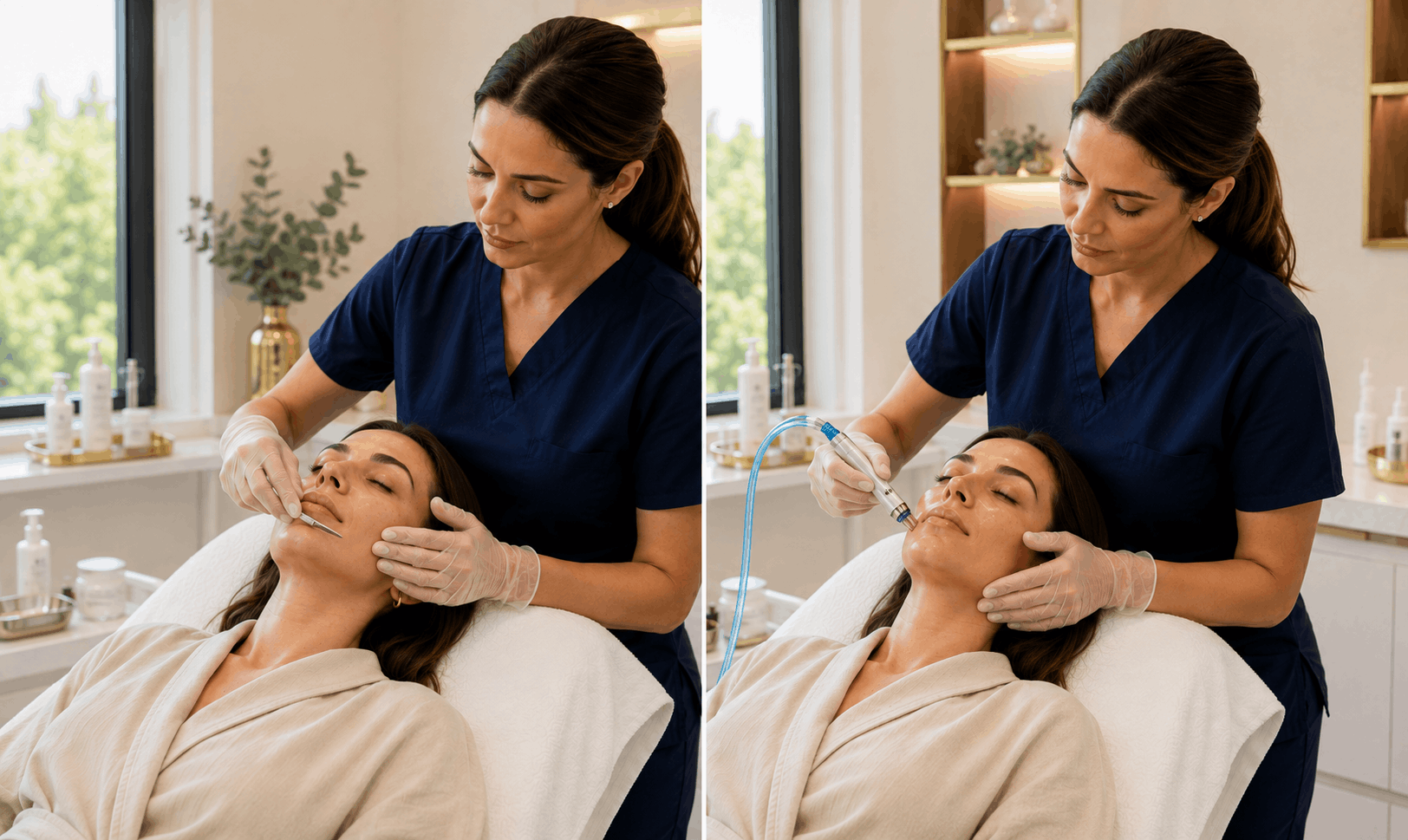
RF Microneedling combines controlled microneedling with radiofrequency energy to stimulate deeper collagen remodeling.
This treatment works by:
- creating controlled micro-injuries,
- delivering thermal energy beneath the skin,
- and encouraging natural tissue repair.
RF microneedling is commonly used for:
- mild skin laxity,
- texture concerns,
- crepey skin,
- and collagen support.
Because it targets deeper layers of tissue, RF microneedling may help improve both firmness and overall skin quality gradually over time.
CO2 Laser Skin Resurfacing and Skin Tightening
CO2 Laser Skin Resurfacing is often associated with facial rejuvenation, but it may also help improve skin texture and stimulate collagen remodeling in areas affected by laxity.
CO2 resurfacing works by:
- removing damaged outer skin layers,
- triggering collagen production,
- and promoting tissue renewal.
Benefits may include:
- improved skin texture,
- firmer appearance,
- reduced crepey skin,
- and smoother skin quality.
This treatment is typically more intensive and may involve longer recovery compared to non-ablative procedures.
Body Contouring Treatments After Weight Loss
Many patients combine skin tightening with body contouring strategies to improve overall shape and definition after fat reduction.
Body Contouring & Fat Reduction treatments may help refine:
- body proportions,
- contour irregularities,
- and residual fat pockets.
Combining contouring treatments with collagen stimulation often creates more balanced and natural-looking results.
CoolSculpting and Body Sculpting Goals
CoolSculpting is designed to target stubborn fat deposits that may remain resistant to diet and exercise.
While CoolSculpting primarily focuses on fat reduction rather than treating severe loose skin directly, some patients choose combination approaches that include:
- body contouring,
- skin tightening,
- and collagen-supportive treatments.
This helps improve both:
- body shape,
- and skin quality simultaneously.
Why Collagen Production Matters
One of the most important components of treating loose skin is supporting collagen regeneration.
Collagen helps:
- strengthen tissue structure,
- improve elasticity,
- and enhance skin firmness.
Many non-surgical treatments focus on stimulating the body’s natural healing response to gradually rebuild collagen over time.
Because collagen remodeling occurs gradually, improvements may continue developing for several months after treatment.
Lifestyle Habits Also Affect Skin Elasticity
Professional treatments can improve skin quality, but lifestyle factors also influence how the skin responds after weight loss.
Factors that may support healthier skin elasticity include:
- hydration,
- balanced nutrition,
- resistance training,
- quality sleep,
- and avoiding smoking.
Protein intake is especially important because collagen synthesis relies on adequate nutritional support.
Why Personalized Treatment Plans Matter
Not all loose skin responds the same way to treatment. Some individuals primarily experience:
- mild skin laxity,
- while others have significant tissue redundancy.
Factors such as:
- skin thickness,
- age,
- collagen quality,
- and treatment goals
all influence which therapies may be most appropriate.
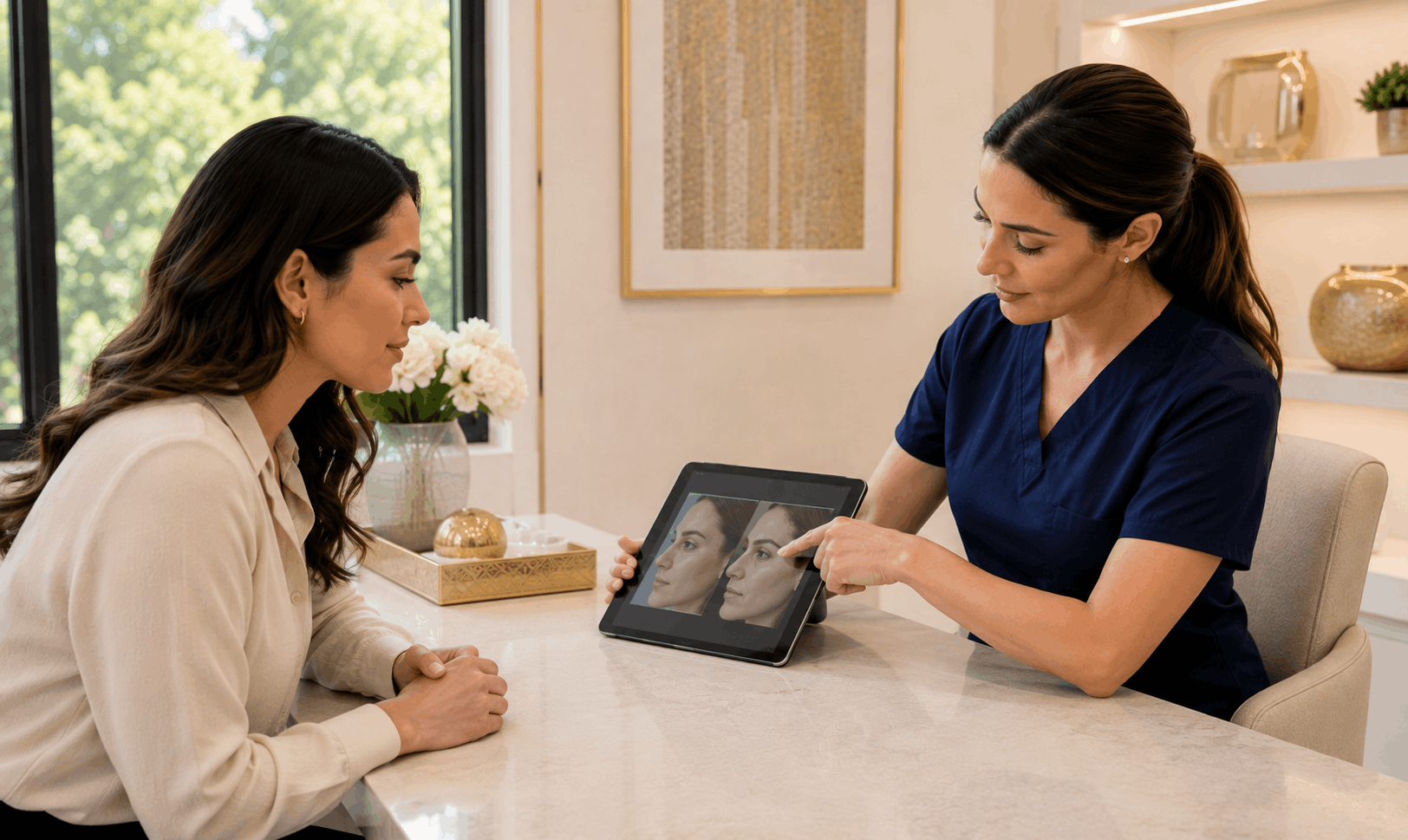
Comprehensive evaluations help determine:
- whether non-surgical treatments are appropriate,
- how aggressive treatment should be,
- and which technologies may offer the best support.
At Advanced Life Clinic, personalized body contouring and skin rejuvenation plans are designed to support healthier skin quality while helping patients feel more confident after weight loss.
Prevention and Long-Term Maintenance
Although some skin laxity may be unavoidable after major weight changes, maintaining healthy collagen levels and skin quality may help reduce severity over time.
Long-term maintenance strategies often include:
- collagen-stimulating treatments,
- healthy lifestyle habits,
- weight stability,
- and consistent skin support.
Preventative skin care and gradual weight loss approaches may also help minimize excessive laxity in some individuals.
Key Takeaways
Skin laxity after weight loss develops when stretched skin loses elasticity and cannot fully tighten after body fat reduction. Factors such as aging, collagen loss, genetics, and rapid weight loss all influence the severity of loose skin.
Modern non-surgical treatments focus on improving collagen production, supporting tissue remodeling, and enhancing overall skin firmness. Personalized body contouring and skin tightening strategies can help improve skin quality and body confidence after weight loss.
Important takeaways include:
- Collagen and elastin loss contribute to loose skin after weight reduction
- Aging and rapid weight loss may worsen skin laxity
- RF microneedling and laser treatments support collagen remodeling
- Body contouring treatments help improve overall shape and definition
- Lifestyle habits also influence long-term skin elasticity
- Personalized treatment plans create more effective and natural-looking outcomes
FAQs
Why does loose skin happen after weight loss?
Loose skin develops when stretched skin loses elasticity and cannot fully contract after fat reduction. Collagen and elastin fibers may weaken over time due to prolonged stretching, aging, and collagen loss. The amount of loose skin often depends on how much weight was lost and overall skin quality.
Can loose skin tighten naturally after weight loss?
Mild skin laxity may improve gradually over time, especially in younger individuals with stronger collagen production. However, more significant loose skin often requires additional support through collagen-stimulating treatments or body contouring procedures. Skin elasticity varies based on age, genetics, and lifestyle factors.
What treatments help improve skin laxity after weight loss?
Common treatments include RF microneedling, skin tightening procedures, laser resurfacing, and body contouring therapies. These treatments focus on stimulating collagen production and improving tissue firmness. The best treatment depends on the severity of laxity and the areas being treated.
Does CoolSculpting tighten loose skin?
CoolSculpting is primarily designed for fat reduction rather than treating significant loose skin. However, some patients combine CoolSculpting with skin tightening treatments for more comprehensive body contouring results. Combination approaches may improve both contour and skin appearance.
How long does it take to see results from skin tightening treatments?
Collagen remodeling occurs gradually, so improvements often develop over several weeks or months after treatment. Some patients notice early tightening sooner, while deeper structural changes continue improving over time. Multiple sessions may be recommended depending on skin condition and treatment goals.