Enlarged pores are one of the most common skin concerns people experience, especially as they age or deal with oil production and sun damage. While pores are a natural part of healthy skin, they can become more noticeable over time due to changes in collagen levels, clogged oil glands, and reduced skin elasticity.
The good news is that modern dermatological and aesthetic treatments can significantly improve skin texture and reduce the appearance of large pores. Professional skin treatments work by boosting collagen production, clearing congestion, and tightening the skin so pores appear smaller and smoother.
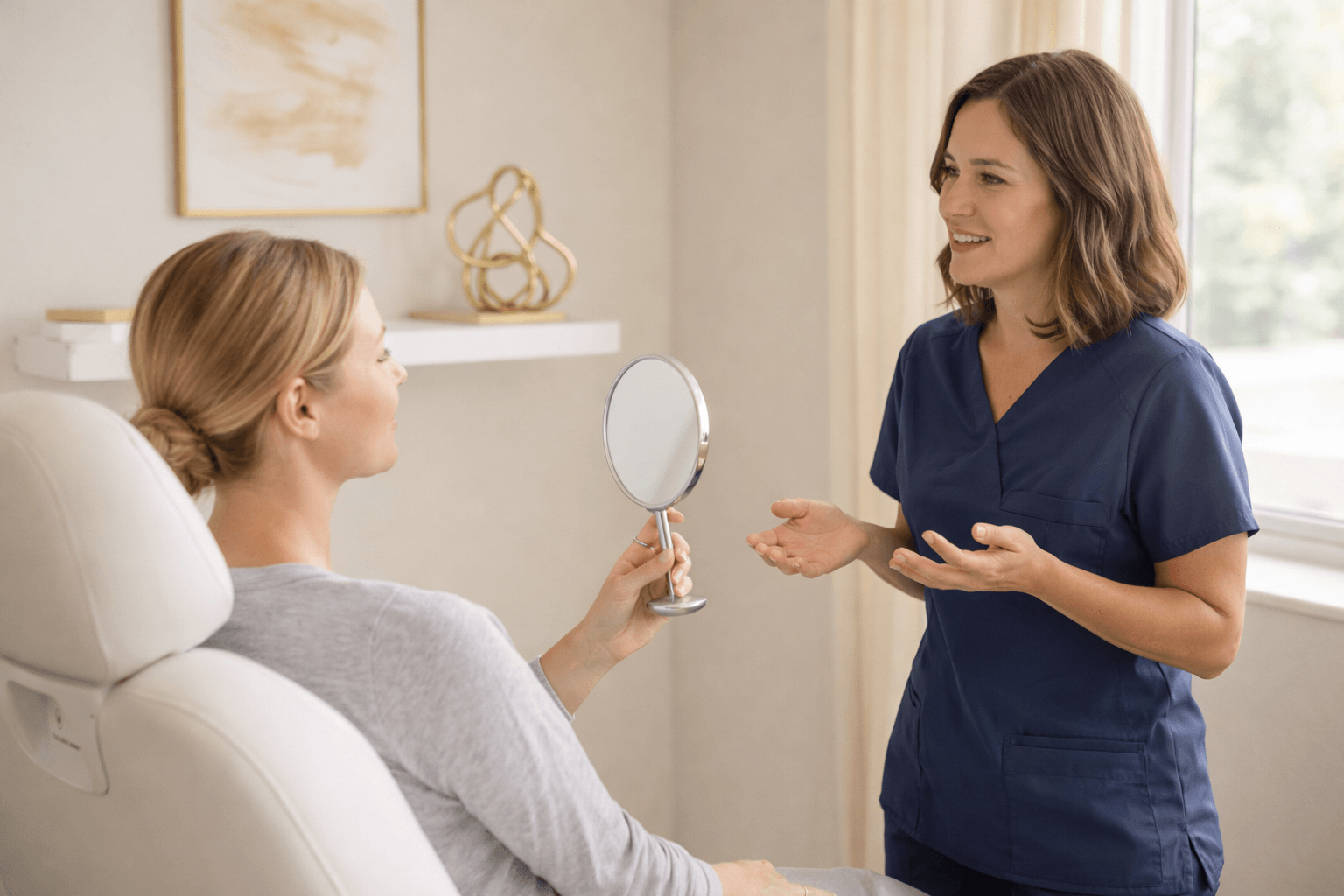
Many individuals seeking skin texture improvement turn to providers like Advanced Life Clinic to explore customized treatment plans designed to address pore size, uneven texture, and overall skin health. Understanding how pores form and what treatments help minimize them can guide you toward the most effective solutions.
Jump to:
- TLDR – Quick Guide
- Why Pores Become Enlarged
- Professional Skin Treatments That Help Minimize Enlarged Pores
- Natural and Clinical Approaches to Pore Refinement
- The Role of Collagen in Pore Size
- Supporting Professional Treatments With Good Skincare
- Who Benefits Most From Professional Pore Treatments
- Key Takeaways
- FAQs
TLDR – Quick Guide
- Enlarged pores are commonly caused by excess oil, aging, sun damage, and reduced collagen.
- Professional skin treatments stimulate collagen and improve skin firmness.
- Treatments such as microneedling, resurfacing, and exfoliation can help refine skin texture.
- Combining professional treatments with good skincare habits enhances results.
- Consistency and personalized treatment plans are key for long-term pore improvement.
Why Pores Become Enlarged
Pores are tiny openings in the skin that release oil and sweat. They play an important role in maintaining skin health. However, several factors can cause them to stretch and appear larger.
Excess Oil Production
People with oily skin tend to have larger pores because the sebaceous glands produce more oil. When oil mixes with dead skin cells, it can clog pores and stretch their appearance.
Collagen Loss
Collagen is responsible for keeping the skin firm and elastic. As collagen levels decline with age, the skin around pores becomes less supportive, causing pores to appear wider.
Sun Damage
Prolonged exposure to ultraviolet rays breaks down collagen and elastin fibers in the skin. This damage weakens the structure surrounding pores, making them appear more prominent.
Clogged Pores
When pores become blocked with oil, dirt, and dead skin cells, they can stretch and become more visible.
Understanding these causes is essential when determining how to minimize enlarged pores effectively.
Professional Skin Treatments That Help Minimize Enlarged Pores
Professional skin treatments target the underlying causes of enlarged pores by stimulating collagen, improving skin turnover, and clearing congestion.
Microneedling
Microneedling is one of the most effective treatments for improving skin texture. Tiny needles create micro-injuries in the skin that stimulate collagen production and skin renewal.
As collagen rebuilds, the skin becomes firmer and pores appear tighter.
Laser and Energy-Based Treatments
Laser resurfacing and radiofrequency treatments heat deeper layers of the skin, encouraging collagen production and tightening the skin structure.
These treatments can significantly improve pore visibility while also addressing fine lines and uneven tone.
Chemical Peels
Professional chemical peels exfoliate the outer layers of the skin, removing dead skin cells that contribute to clogged pores. This process helps smooth skin texture and reduce the appearance of enlarged pores.
Medical-Grade Skincare
Professional skincare products often contain active ingredients such as retinoids, alpha hydroxy acids, and salicylic acid. These ingredients increase cell turnover and help keep pores clear.
For a deeper explanation of why pores enlarge and what treatments can improve them, you can explore resources discussing the truth about enlarged pores and whether they can shrink.
Natural and Clinical Approaches to Pore Refinement
Many individuals try home remedies before seeking professional care. While some natural methods can support skin health, clinical treatments tend to produce more noticeable improvements.
For example, skincare routines that include proper cleansing, exfoliation, and sun protection can help maintain pore health. However, combining these habits with professional treatments often yields better results.
Both lifestyle changes and clinical procedures play a role in learning how to shrink pores naturally and clinically.
The Role of Collagen in Pore Size
Collagen loss is one of the most significant contributors to enlarged pores. As the skin ages, collagen fibers weaken and the surrounding skin loses firmness.
Professional treatments that stimulate collagen can strengthen the skin’s structure and reduce the appearance of pores.
These treatments often work gradually as collagen rebuilds over time. Understanding treatments that actually work for shrinking pores can help individuals choose effective solutions rather than relying on temporary cosmetic fixes.
Supporting Professional Treatments With Good Skincare
Professional treatments are most effective when combined with consistent skincare habits.
Important steps include:
- Cleansing the skin twice daily to remove oil and debris
- Using exfoliating products that promote healthy skin turnover
- Applying sunscreen daily to prevent collagen breakdown
- Choosing non-comedogenic skincare products that do not clog pores
- Staying hydrated and maintaining balanced nutrition
These practices support long-term improvements in skin texture and pore appearance.
Who Benefits Most From Professional Pore Treatments
While enlarged pores can affect anyone, certain individuals may benefit more from professional treatments.
People who may see the greatest improvement include:
- Individuals with oily or combination skin
- Those experiencing acne scarring or congestion
- Adults experiencing age-related collagen loss
- People with sun-damaged or uneven skin texture
- Anyone seeking smoother, more refined skin
Professional consultations help determine which treatments are best suited to individual skin concerns.
Key Takeaways
- Enlarged pores are commonly caused by oil production, collagen loss, and sun damage.
- Professional skin treatments stimulate collagen and tighten the surrounding skin.
- Procedures like microneedling, resurfacing, and chemical peels help refine skin texture.
- Consistent skincare and sun protection support long-term improvements.
- Combining professional treatments with healthy skincare habits can effectively minimize enlarged pores and improve overall skin quality.
FAQs
Can enlarged pores be permanently removed?
Pores are a natural part of the skin and cannot be permanently removed. However, professional treatments can significantly reduce their appearance by tightening the surrounding skin and improving collagen levels. Consistent skincare and maintenance treatments help preserve results.
How long does it take to see improvements in pore size?
Results vary depending on the treatment used and the individual’s skin condition. Some treatments provide visible improvements within a few weeks, while collagen-stimulating treatments may take several months to show full results. Multiple sessions are often recommended for optimal outcomes.
Do pore-minimizing products work on their own?
Over-the-counter skincare products can help improve skin texture and keep pores clear. However, they often provide limited results compared to professional treatments. Combining medical-grade skincare with clinical procedures typically produces better improvements.
Are pore treatments safe for sensitive skin?
Many professional treatments can be customized for sensitive skin types. Providers may adjust treatment intensity and product selection to minimize irritation. A consultation helps determine the safest approach for each individual.
What treatment is best for large pores?
There is no single treatment that works for everyone. Options such as microneedling, laser resurfacing, and chemical peels may all help depending on the underlying cause. Personalized treatment plans typically deliver the best results.