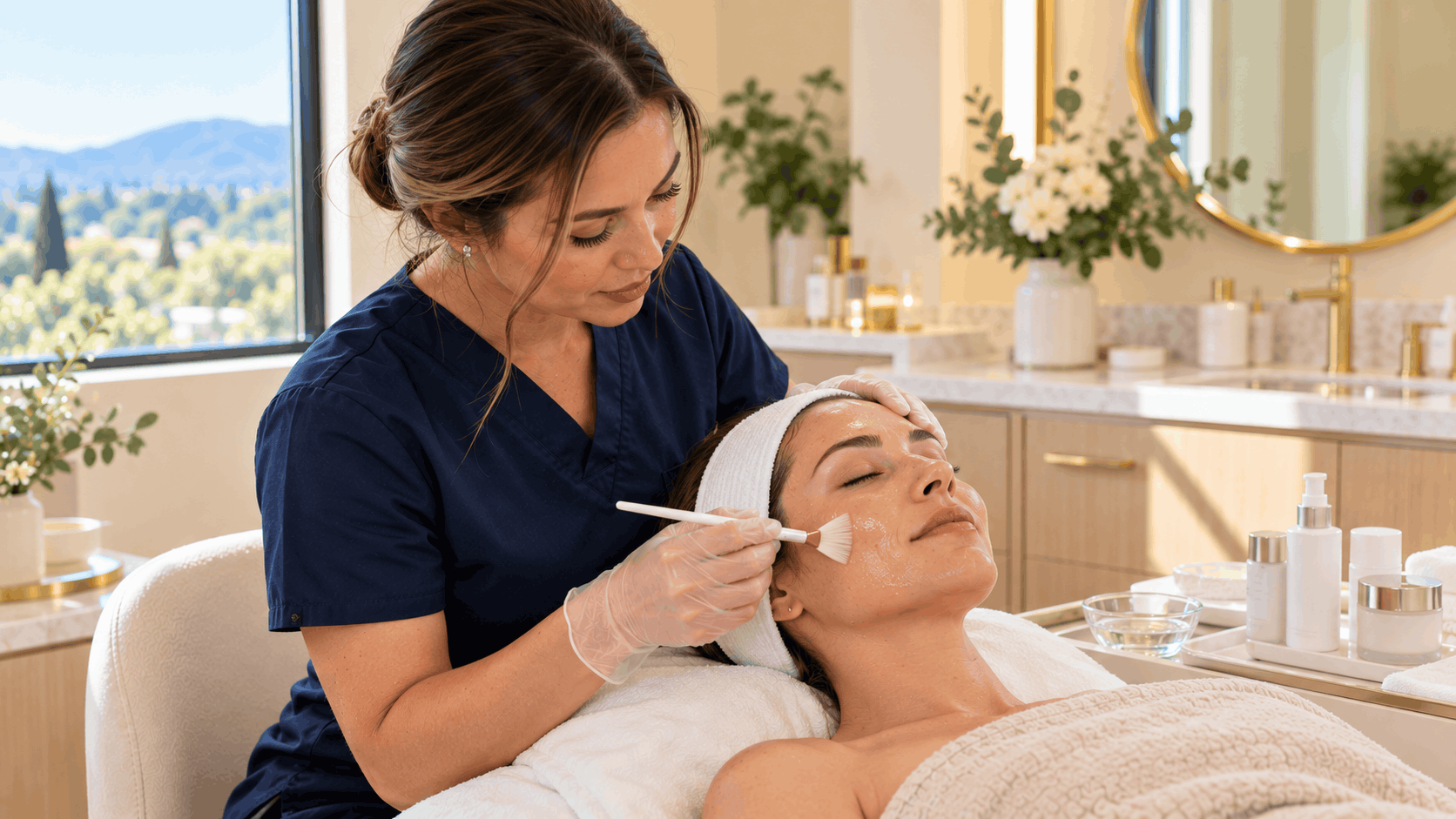
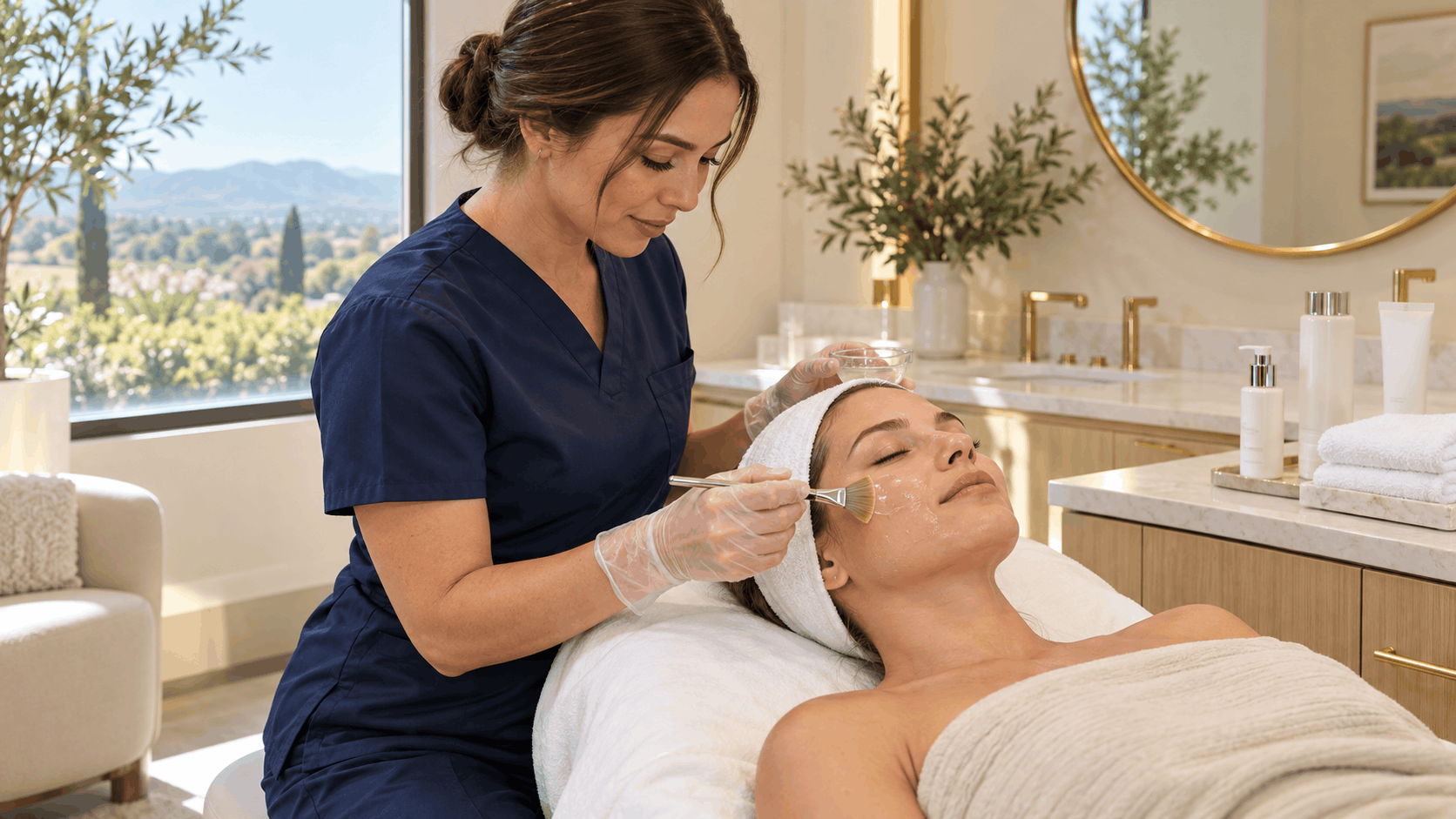
A professional chemical peel can help improve the appearance of dullness, uneven texture, and certain pigmentation concerns. However, one of the most important questions patients ask before scheduling treatment is whether they will need time away from work, social activities, or their usual skincare routine.
Understanding downtime after ZO Signature Peels can help you plan your appointment, prepare for visible peeling, and support your skin throughout recovery.
The ZO Signature Peel, commonly referring to the ZO 3-Step Peel, combines professional chemical exfoliation with retinol-based skin renewal and protective post-treatment care. Because this treatment encourages controlled exfoliation, temporary redness, tightness, dryness, and visible peeling are possible.
At Advanced Life Clinic, we believe that understanding the recovery process is just as important as understanding the treatment itself. Knowing what to expect helps patients make informed decisions and avoid unnecessary irritation during healing.
The good news? Recovery does not always mean staying home for an entire week. However, visible peeling and skin sensitivity may affect your comfort and appearance, so planning ahead matters.
Jump To:
- TLDR Guide
- Detailed Breakdown
- What Is the ZO Signature Peel, and Why Does It Cause Downtime?
- How Much Downtime Should You Expect After a ZO Signature Peel?
- ZO Signature Peel Recovery Timeline: What Happens Day by Day?
- What Does Your Skin Look Like Before and After Recovery?
- How to Care for Your Skin During ZO Signature Peel Downtime
- Can You Wear Makeup During ZO Signature Peel Recovery?
- When Should You Schedule a ZO Signature Peel Before an Important Event?
- Is ZO Signature Peel Downtime Worth It?
- When Should You Contact Your Provider During Recovery?
- Key Takeaways
- FAQs
TLDR Guide
Downtime after ZO Signature Peels typically involves several days of skin sensitivity, dryness, and visible exfoliation. Many patients can resume routine nonstrenuous activities relatively quickly, but noticeable peeling may develop during the following days.
Recovery varies according to skin type, treatment intensity, individual sensitivity, and adherence to aftercare instructions.
Here is a quick overview:
- First 24–48 hours: Skin may appear red, feel tight, or become more sensitive than usual.
- Days 2–3: Dryness, flaking, and visible peeling may begin.
- Days 3–5: Peeling may become more noticeable, particularly around the mouth, nose, and chin.
- Days 5–7: Visible peeling often begins to settle, although sensitivity or dryness may continue.
- After the first week: Many patients notice a more settled complexion, but complete recovery can take longer.
These timeframes are general estimates rather than guaranteed milestones.
The key takeaway: You may not need extended time away from everyday responsibilities, but you should allow approximately one week for potential visible peeling and plan for additional recovery time if your skin remains sensitive.
Detailed Breakdown
What Is the ZO Signature Peel, and Why Does It Cause Downtime?
The ZO Signature Peel is generally used to describe the ZO 3-Step Peel, a professional resurfacing treatment designed to improve selected concerns involving skin texture, tone, and visible signs of aging.
Unlike a basic facial, this procedure uses active exfoliating ingredients to encourage the removal of older surface skin cells. The treatment also includes a retinol-based stage and a calming, protective application.
The professional ZO 3-Step Peel uses a structured treatment protocol that promotes exfoliation and skin renewal.
Because the procedure affects the outer layers of the skin, temporary changes are expected during recovery.
These may include:
- Redness and warmth immediately following treatment.
- Tightness or increased sensitivity.
- Dryness and visible flaking.
- Peeling around areas of facial movement.
- Temporary changes in skin appearance as exfoliation progresses.
The amount of peeling does not necessarily indicate how successful the treatment will be. Some patients experience substantial visible shedding, while others notice milder exfoliation.
How Much Downtime Should You Expect After a ZO Signature Peel?
The most noticeable downtime after ZO Signature Peels often occurs during the first several days following treatment.
Although many patients can continue normal daily responsibilities, visible peeling may make social activities, professional events, or makeup application less convenient.
It is helpful to distinguish between two types of downtime.
Social Downtime
Social downtime refers to changes in appearance that may make you less comfortable attending meetings, events, or social gatherings.
For example, you may feel physically well enough to work but prefer to avoid an important presentation while your skin is visibly peeling.
Physical Recovery
Physical recovery involves the skin’s response to treatment, including sensitivity, inflammation, dryness, and restoration of its protective barrier.
Even when visible peeling has stopped, the skin may remain sensitive.
Our broader chemical peel treatments include different resurfacing approaches, and recovery expectations can vary according to the formulation and treatment depth.
This is why your provider’s individual aftercare recommendations should always take priority over a general recovery timeline.
ZO Signature Peel Recovery Timeline: What Happens Day by Day?
Understanding the typical recovery stages makes it easier to schedule treatment around work, vacations, and special occasions.
Day 1: Initial Redness and Tightness
Immediately after treatment, your skin may appear pink or red and feel warmer or tighter than usual.
Some patients experience mild stinging or sensitivity, particularly when cleansing or applying approved skincare products.
During this stage, focus on protecting your skin and following the exact instructions provided by your clinician.
Avoid experimenting with new skincare products or attempting to accelerate exfoliation.
Days 2–3: Dryness and Early Peeling
As the resurfacing process continues, your skin may begin to feel dry or noticeably tight.
Small flakes or patches of peeling may develop, often around the mouth, nose, or chin.
This is a common period for visible exfoliation to begin, although the timing varies.
Resist the temptation to scrub away loose skin. Pulling or rubbing peeling areas can increase irritation and potentially contribute to discoloration or other complications.
Days 3–5: More Noticeable Peeling
For some patients, this is when downtime after ZO Signature Peels becomes most noticeable.
Larger areas of skin may begin shedding, and the complexion can temporarily look uneven or patchy.
Makeup may not sit smoothly over peeling areas, and the skin may feel particularly sensitive to friction.
Continue using only approved aftercare products and avoid unnecessary sun exposure.
Our article on TCA peel recovery time, healing, peeling, and aftercare provides additional context about the recovery process associated with chemical resurfacing treatments.
Days 5–7: Peeling Begins to Settle
Visible peeling often starts to decrease toward the end of the first week.
As shedding subsides, some patients begin noticing improvements in the appearance of skin smoothness and brightness.
However, newly exposed skin may remain sensitive, and redness or dryness can continue.
Do not assume your skin is fully recovered simply because visible peeling has stopped.
Beyond Day 7: Continued Recovery
Many patients experience a more settled complexion after the first week, but individual recovery times vary.
Some may continue experiencing redness, dryness, or sensitivity for longer, particularly after a stronger treatment or when skin is prone to irritation.
Persistent or worsening symptoms should be discussed with your provider.
What Does Your Skin Look Like Before and After Recovery?
One reason patients research downtime after ZO Signature Peels is to understand whether the temporary peeling is worthwhile.
Professional resurfacing treatments are intended to improve the appearance of selected skin concerns, but visible outcomes differ from person to person.
After appropriate recovery, potential cosmetic improvements may include:
- A smoother-looking skin surface.
- Reduced appearance of certain uneven pigmentation concerns.
- Improved skin brightness.
- A more refined-looking complexion.
- Less noticeable superficial textural irregularities.
These improvements are not guaranteed, and some concerns may require additional treatment or another approach entirely.
Our ZO 3-Step Peel before-and-after guide explores treatment expectations and the kinds of visible changes patients may experience.
It is important to evaluate results after the skin has sufficiently recovered rather than judging the treatment during the active peeling stage.
How to Care for Your Skin During ZO Signature Peel Downtime
Appropriate aftercare plays an important role in recovery.
The purpose of post-peel care is not to force the skin to peel faster. Instead, it is to protect the treated area, reduce avoidable irritation, and support the skin’s natural repair process.
Use Gentle, Clinician-Approved Skincare
Your provider may recommend a specific cleanser, moisturizer, or protective product based on the treatment protocol.
Avoid introducing unfamiliar active ingredients during recovery.
Products containing exfoliating acids, retinoids, or other potentially irritating ingredients should only be resumed when your clinician advises.
Do Not Pick or Exfoliate Peeling Skin
Visible peeling can be frustrating, especially when it develops unevenly.
However, pulling away attached skin may damage the healing surface and increase the risk of irritation, infection, or post-inflammatory pigmentation changes.
Allow shedding to occur naturally.
Protect Your Skin From Sun Exposure
Freshly treated skin may be more vulnerable to ultraviolet exposure.
Avoid unnecessary direct sunlight, seek shade, and follow your provider’s instructions regarding appropriate sun protection.
A broad-spectrum sunscreen may be recommended when suitable for your stage of recovery, along with protective clothing and other sun-avoidance measures.
Avoid Excessive Heat and Friction
Hot environments, strenuous exercise, saunas, and activities that produce substantial sweating may aggravate sensitive skin during early recovery.
Your clinician can advise when these activities are safe to resume.
Support the Skin Barrier
The outer skin barrier helps limit moisture loss and protect against environmental irritants.
Chemical exfoliation can temporarily disrupt this protective function, contributing to tightness, dryness, and increased sensitivity.
Our article on the science of skin barrier repair explains why maintaining a healthy skin barrier is important when considering professional skincare treatments.
Recovery is not just about shedding older skin cells. It also involves allowing the skin to regain comfort and protective function.
Can You Wear Makeup During ZO Signature Peel Recovery?
Makeup is a common concern, particularly for patients who need to return to work shortly after treatment.
Whether makeup is appropriate depends on your skin’s condition, the specific treatment protocol, and your provider’s instructions.
Applying cosmetics too early may increase irritation, particularly if the skin is actively peeling or unusually sensitive.
Makeup brushes, sponges, and removal techniques may also create unwanted friction.
If your provider clears you to wear makeup, choose gentle products and avoid aggressive application or removal.
Do not use makeup to cover blistering, broken skin, or areas showing signs of infection.
When Should You Schedule a ZO Signature Peel Before an Important Event?
Planning is one of the simplest ways to manage downtime after ZO Signature Peels.
If you have an upcoming wedding, vacation, photoshoot, or professional event, avoid scheduling your first peel immediately beforehand.
Although visible peeling often settles within approximately one week, some patients need longer.
A buffer of at least two weeks before an important event may be a reasonable starting point for discussion, but it does not guarantee complete recovery.
Your provider may recommend additional time based on your skin history and the planned treatment.
If your main goal is to improve the appearance of uneven texture or pigmentation, our refined texture and even tone treatments provide a broader perspective on addressing these concerns.
The best timing depends on the procedure selected, your skin’s response, and the results you hope to achieve.
Is ZO Signature Peel Downtime Worth It?
Whether the recovery period is worthwhile depends on your treatment goals, skin condition, and tolerance for temporary peeling.
Patients seeking improvements in dullness, uneven texture, or selected pigmentation concerns may find professional resurfacing appealing.
However, a chemical peel is not automatically the best treatment for every concern.
Our skin rejuvenation options allow patients to explore different approaches to improving skin appearance.
For some individuals, a gentler treatment may be more appropriate. Others may benefit from a carefully planned resurfacing procedure after professional evaluation.
The decision should consider expected benefits alongside downtime, possible adverse effects, cost, and individual suitability.
When Should You Contact Your Provider During Recovery?
Mild redness, dryness, tightness, and peeling can be expected after a chemical peel.
However, not every post-treatment symptom should be considered normal.
Contact your provider promptly if you experience:
- Severe or increasing pain.
- Significant blistering or unexpected skin breakdown.
- Spreading redness, increasing warmth, or swelling.
- Pus, fever, or other possible signs of infection.
- Unusual darkening or lightening of the treated skin.
- Symptoms that worsen rather than gradually improve.
Seek urgent medical care for severe allergic symptoms, such as difficulty breathing or significant facial swelling.
Early assessment can help identify complications and guide appropriate treatment.
Key Takeaways
Downtime after ZO Signature Peels is an important part of planning professional skin resurfacing. Although many patients can continue routine activities, visible peeling and temporary sensitivity may affect their appearance and comfort for several days.
Here are the most important points to remember:
- Expect temporary skin changes. Redness, tightness, dryness, and peeling may develop after treatment.
- Plan for approximately one week of visible recovery. Some patients recover sooner, while others experience symptoms for longer.
- Peeling may peak several days after treatment. The most noticeable shedding often occurs around days 3–5.
- Follow professional aftercare instructions. Gentle skincare, sun protection, and avoiding unnecessary irritation support recovery.
- Avoid scheduling treatment immediately before major events. Additional recovery time may be necessary.
- Watch for unusual symptoms. Severe pain, blistering, spreading redness, or signs of infection require medical attention.
A well-planned treatment experience includes understanding both the potential cosmetic benefits and the temporary recovery process.
If you are considering a ZO Signature Peel, our team can help assess your skin, explain the expected downtime, and recommend an appropriate treatment plan based on your goals.
FAQs
1. How many days of downtime should I expect after a ZO Signature Peel?
Downtime after ZO Signature Peels commonly involves several days of dryness, sensitivity, and visible peeling. Many patients notice improvement in peeling within approximately five to seven days, although recovery can take longer. Your individual timeline depends on your skin condition, treatment intensity, and aftercare.
2. Can I go to work the day after a ZO Signature Peel?
Many patients can return to nonstrenuous work activities the following day if they feel comfortable. However, redness, tightness, and subsequent peeling may affect your appearance during the first week. If your work involves heat, heavy sweating, or significant sun exposure, ask your provider about additional precautions.
3. Is peeling normal after a ZO Signature Peel?
Yes, visible peeling is a common response to professional chemical exfoliation. It may begin a few days after treatment and vary in intensity across different facial areas. Avoid picking or pulling peeling skin because doing so can increase irritation and other complications.
4. When can I wear makeup after a ZO Signature Peel?
The appropriate time to resume makeup depends on your provider’s instructions and how your skin is healing. Applying cosmetics too early may irritate sensitive areas or interfere with post-treatment care. Wait until your clinician confirms that makeup is appropriate for your recovery stage.
5. How can I reduce downtime after a ZO Signature Peel?
Following your provider’s aftercare instructions is the safest way to support recovery and avoid unnecessary irritation. Use recommended skincare products, protect your skin from sun exposure, and avoid picking or scrubbing peeling areas. These precautions can support healing, but they cannot guarantee a shorter recovery period.