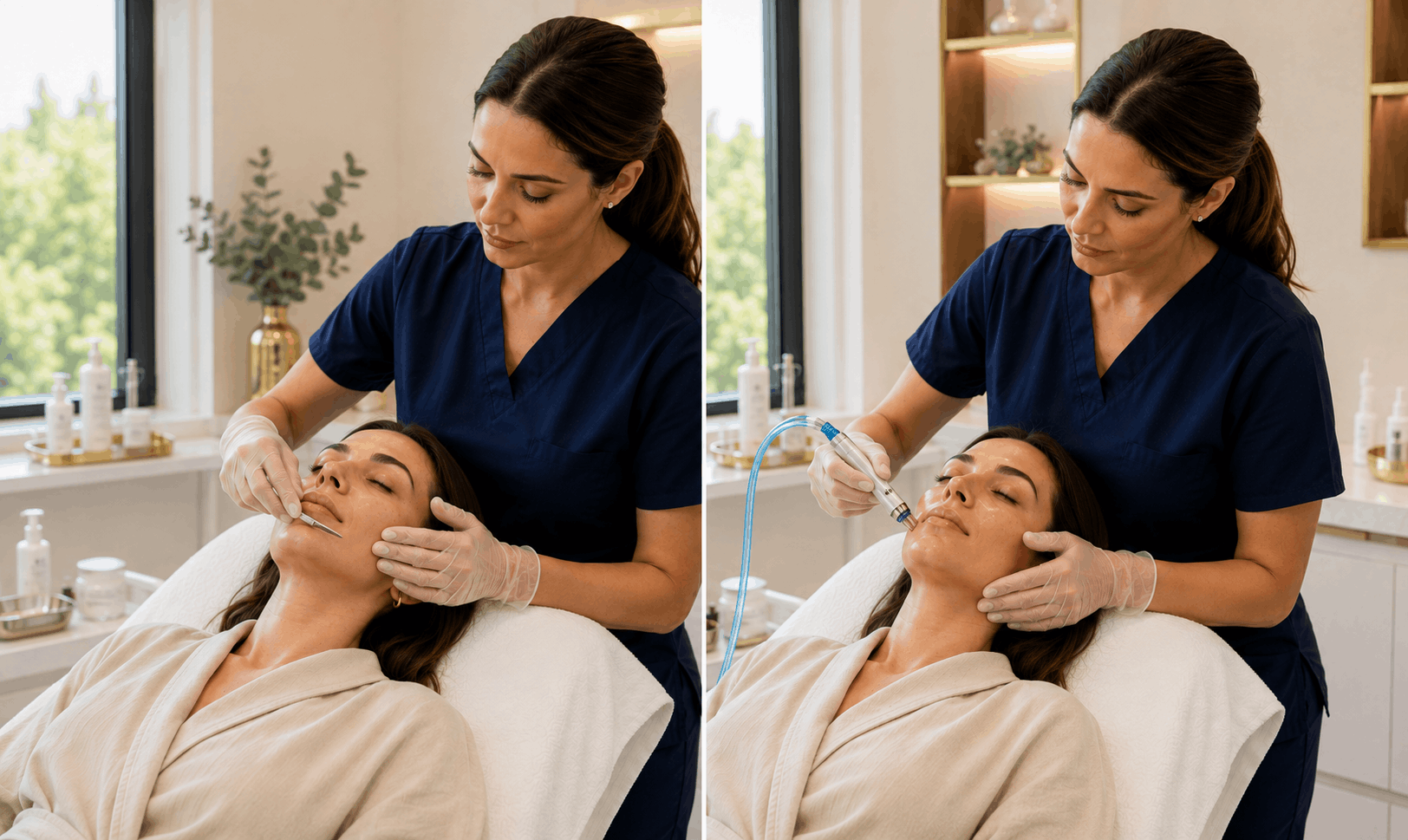
Many people expect a slimmer, more defined jawline after losing weight. While weight loss can improve overall body composition, it does not always eliminate fullness beneath the chin. This often leaves people asking the same frustrating question: why do I still have a double chin after weight loss?
The answer is more complex than simply carrying extra weight. Factors such as genetics, skin elasticity, aging, muscle structure, and stubborn fat deposits can all contribute to the appearance of a double chin, even after significant weight loss. In some cases, losing weight can even make loose skin under the chin more noticeable.
At Advanced Life Clinic, we understand that achieving your ideal appearance often requires more than just dieting and exercise. Understanding the underlying cause of your double chin is the first step toward finding the most effective solution.
Jump To:
- TLDR Guide
- Detailed Breakdown
- Understanding Why a Double Chin Can Remain After Weight Loss
- Genetics May Be Working Against You
- Loose Skin After Weight Loss Can Mimic a Double Chin
- Aging Can Affect the Jawline
- Stubborn Fat Often Behaves Differently Than Body Fat
- The Role of Medical Weight Loss in Long-Term Results
- Finding the Right Solution for Your Unique Anatomy
- Key Takeaways
- FAQs
TLDR Guide
If you’re wondering why I still have a double chin after weight loss, the issue may not be excess body weight alone. Genetics, aging, loose skin, facial anatomy, and localized fat deposits often play a significant role in how the chin and jawline appear.
Key points include:
- Weight loss does not always eliminate stubborn fat beneath the chin.
- Skin laxity can become more visible after significant weight reduction.
- Genetics can influence fat distribution around the jawline.
- Aging naturally reduces collagen and skin firmness.
- Non-surgical treatments may help improve contour and definition.
The most effective approach depends on whether the concern is excess fat, loose skin, facial volume changes, or a combination of factors.
Detailed Breakdown
Understanding Why a Double Chin Can Remain After Weight Loss
Many people assume that a double chin is caused entirely by being overweight. While body fat can contribute to fullness beneath the chin, it is only one piece of the puzzle.
The area beneath the chin contains fat cells, skin, connective tissue, and muscle structures. Changes in any of these components can influence how your jawline appears. This is why some individuals maintain a double chin despite reaching a healthy weight.
A personalized Facial Consultation can help determine whether fat, skin laxity, facial structure, or age-related changes are responsible for the concern.
Genetics May Be Working Against You
Genetics significantly influence where your body stores fat. Some individuals naturally accumulate fat beneath the chin, regardless of their overall body weight.
This means:
- You can be physically fit and still have a double chin.
- Weight loss may reduce the size of the area but not eliminate it.
- Family history often plays a major role in facial contour.
If genetics are the primary factor, additional treatment options may be needed to achieve a more sculpted appearance.
Loose Skin After Weight Loss Can Mimic a Double Chin
One of the most overlooked reasons people continue to notice fullness beneath the chin is loose skin.
When weight is gained, the skin stretches to accommodate increased fat volume. After weight loss, the skin may not fully retract, particularly if:
- Weight loss was substantial.
- Weight fluctuations occurred over many years.
- Collagen production has declined with age.
- Sun exposure has damaged skin elasticity.
In these situations, the issue may be less about remaining fat and more about excess skin creating a double chin appearance.
For individuals experiencing skin laxity, Skin Tightening treatments may help improve firmness and support a more defined jawline.
Aging Can Affect the Jawline
Even if you’ve successfully lost weight, aging continues to affect facial structure.
As collagen and elastin levels decline, the skin becomes thinner and less resilient. Facial tissues gradually shift downward, and the jawline may lose definition.
Additionally, age-related changes associated with Facial Volume Loss can alter facial balance and contribute to sagging around the lower face and neck.
These changes can create the appearance of a double chin even when little excess fat remains.
Stubborn Fat Often Behaves Differently Than Body Fat
Not all fat responds equally to diet and exercise.
Certain areas of the body are genetically programmed to hold onto fat longer than others. The submental area, commonly known as the area beneath the chin, is one of these stubborn zones.
This is why some individuals notice:
- A flatter stomach.
- Leaner arms and legs.
- A lower overall body fat percentage.
Yet they still struggle with fullness beneath the chin.
When stubborn fat remains after weight loss, treatments focused on CoolSculpting and Body Contouring & Fat Reduction may be considered as part of a customized treatment strategy.
The Role of Medical Weight Loss in Long-Term Results
For some individuals, ongoing weight management remains an important component of achieving facial and body contour goals.
Sustainable weight management strategies can help:
- Reduce future fat accumulation.
- Improve overall health outcomes.
- Support body contouring results.
- Maintain long-term confidence.
Comprehensive Medical Weight Loss programs can provide personalized guidance for individuals seeking a structured approach to weight management and body transformation.
Finding the Right Solution for Your Unique Anatomy
There is no one-size-fits-all treatment for a double chin.
The ideal solution depends on factors such as:
- Amount of remaining fat.
- Skin elasticity.
- Facial structure.
- Age.
- Overall health goals.
This is why treatment planning should begin with a comprehensive evaluation. The Treatment Finder can help identify options that align with your specific concerns and aesthetic goals.
In some cases, treatment plans may incorporate skin tightening, body contouring, or other facial rejuvenation strategies to create balanced, natural-looking results.
Key Takeaways
If you’ve been asking why I still have a double chin after weight loss, you’re not alone. Losing weight is an incredible achievement, but it does not always address every factor that contributes to fullness beneath the chin.
Important takeaways include:
- A double chin is not always caused by excess body weight.
- Genetics often determine where fat is stored.
- Loose skin can become more visible after weight loss.
- Aging and facial volume changes can affect jawline definition.
- Stubborn fat beneath the chin may persist despite healthy habits.
- Personalized treatment planning provides the most effective path forward.
At Advanced Life Clinic, understanding the root cause of your concern is the foundation for creating a customized approach that supports your long-term aesthetic and wellness goals.
FAQs
Can you still have a double chin even if you’re at a healthy weight?
Yes, many people at a healthy weight still have a double chin. Genetics, skin laxity, and facial structure can all contribute to fullness beneath the chin. Weight alone does not determine jawline definition.
Why does my double chin look worse after I lost weight?
In some cases, weight loss reveals loose skin that was previously stretched over a larger volume of fat. As fat decreases, excess skin may become more noticeable. This can create the appearance of a more prominent double chin.
Will losing more weight get rid of my double chin?
Not necessarily. If stubborn fat, loose skin, or aging-related changes are contributing to the issue, additional weight loss may have limited impact. A professional evaluation can help identify the underlying cause.
What treatments can help improve a double chin?
Treatment recommendations depend on the source of the concern. Some individuals benefit from body contouring procedures, while others may be better candidates for skin tightening or facial rejuvenation treatments. A personalized consultation is the best way to determine the appropriate approach.
How do I know which treatment is right for me?
The first step is understanding whether the issue is caused by excess fat, loose skin, facial volume changes, or a combination of factors. Every patient has unique anatomy and goals. A professional assessment can help create a customized treatment plan based on those findings.